Framer vs Webflow in 2026: which one for your business site
Framer and Webflow are both website builders that host the site for you and charge a monthly plan per site. The short version: Framer is the cheaper way in for a small marketing site (Basic, €10 a month billed yearly in Spain, 30 pages); Webflow costs more (Basic, US$15 a month billed yearly, no CMS) but gives far more room for content (Premium: a CMS with 20,000 items) and is the one of the two that exports its code, on a paid Workspace plan.
Updated
Both are tools you design in. If what you want is a finished site rather than a canvas — or a 3D scene neither of them draws — the last sections cover the other routes and what they cost. What an immersive website is, and when it’s worth it, has a guide of its own.
What each costs over one year and three
Framer, in euros as its page shows them in Spain: Basic is €10 a month billed yearly (€120 a year) or €15 month to month; Pro is €30 or €45. Over three years on yearly billing, that’s €360 for Basic and €1,080 for Pro. A yearly plan includes the domain’s first year. Extra editors are €20 a month each, and each translated locale another €20.
Webflow, in US dollars before tax: Basic is US$15 a month billed yearly (US$180 a year) or US$25 month to month; Premium is US$25 or US$39. Over three years on yearly billing: US$540 for Basic, US$900 for Premium. A shop is a separate Ecommerce plan, from US$29 a month billed yearly, with a 2% transaction fee on its Standard plan.
The free plans are for trying, not for a business: neither connects your own domain. Framer’s shows a “Made in Framer” banner; Webflow’s Starter publishes to a webflow.io address with a “Made in Webflow” badge, two pages and 50 CMS items.
Pages, CMS and blog
Framer Basic takes 30 pages and 2 CMS collections of up to 1,000 items; Pro, 150 pages and 10 collections with 2,500 items, extendable for a fee. Enough for a studio or a product with a short blog.
Webflow Basic takes 300 static pages and no CMS at all. Premium adds the CMS: 20,000 items in up to 40 collections. If the site lives on publishing — articles, listings, case studies — Webflow Premium is built for it.
Code export, and what happens if you stop paying
Framer’s help centre says it doesn’t offer HTML export to host the site elsewhere. Webflow exports HTML and CSS on a paid Workspace plan (Core, US$19 a month billed yearly), but CMS items and pages can’t be exported.
Stop paying Framer and the plan’s features last to the end of the billing period. Cancel a Webflow Site plan and, at the end of the period, its custom domains are removed and the site is unpublished, webflow.io address included. With either, the site exists for as long as the subscription does.
Motion and 3D
Both animate on scroll without code. For 3D, both lean on Spline: Webflow has a native Spline element, and Framer’s own blog shows a Spline scene placed with an embed. The 3D is made in Spline, with its own plan, and placed on the page.
Neither draws a 3D world that the camera travels through as you scroll; that’s custom code, the kind a studio writes, or a kit that already has it.
Which to pick
Framer, if you design and want a small, polished marketing site live fast, at the lowest yearly cost of the two, and you’re fine with it living on Framer.
Webflow, if the site has to grow with content, if a developer may take over the code one day, or if you need a shop inside the same tool.
Neither, if you don’t want to design at all or want a 3D scene as the site itself. A Promti kit is a finished immersive page for one kind of business, €500 once, no monthly fee, with every file yours; We set it up is the same kit filled in and published at your domain for €750, within 48 working hours of having your content. A freelancer or an agency charges €800–4,000 for a corporate site without 3D (Socialmediapymes), and a specialised studio €25,000–60,000 for an immersive one (Metabole): see alternatives to an agency.
Questions
- Is Framer cheaper than Webflow?
- At the entry level, yes: Framer Basic is €10 a month billed yearly in Spain; Webflow Basic is US$15 a month billed yearly, before tax. For a CMS, Webflow Premium (US$25) and Framer Pro (€30) are close.
- Which is better for SEO, Framer or Webflow?
- Both let you set titles, descriptions and addresses, and both serve the pages as HTML. No source we found shows one ranking better than the other; what decides it is the content and how fast the page loads on a phone.
- Can I export my site from Framer or Webflow?
- Framer says it doesn’t offer HTML export for self-hosting. Webflow exports HTML and CSS on a paid Workspace plan, without the CMS content.
- Framer or Webflow for a portfolio?
- Framer for a short, visual portfolio you design yourself; Webflow if it will hold many case studies in a CMS. For a portfolio built as a 3D gallery, see the 3D portfolio guide.
- Do Framer and Webflow do 3D?
- Through Spline: you make the scene there and place it on the page. Neither builds a scroll-driven 3D world for you.
What a site made with Promti looks like
One kit for each kind of business, each with its live demo. Your words, your colours and your pictures go in its place.
Want it in 3D? Start here: What an immersive website is · What a 3D website costs · 3D website examples.
 ProductAn immersive website for one product, shot like a film.
 ForestAn immersive website for a place, told as one day there — with your own photos, in 3D.
 AppAn immersive website for an app, told through its own screens.
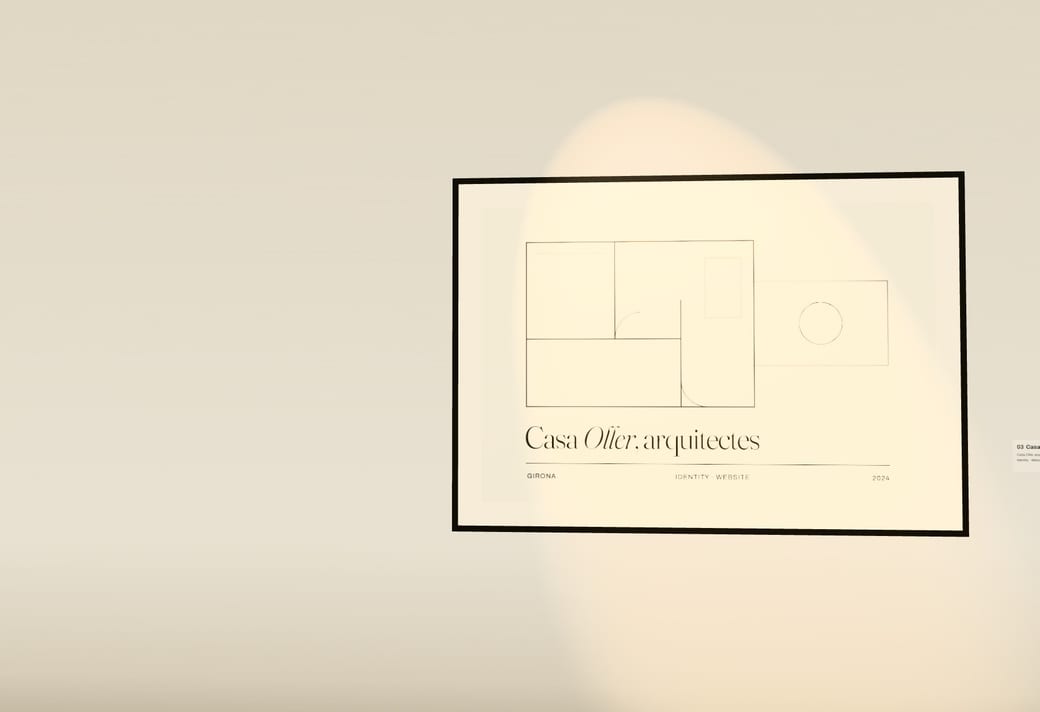 StudioAn immersive website for a studio, shown as an exhibition of its work.
 HomeAn immersive website for one home for sale, built from its plan.
 WeddingYour wedding invitation, as a website every guest opens.
 MusicA website for a release that plays it — and the song moves the scene.
 FashionA website for a fashion collection, its photos printed on cloth that moves.
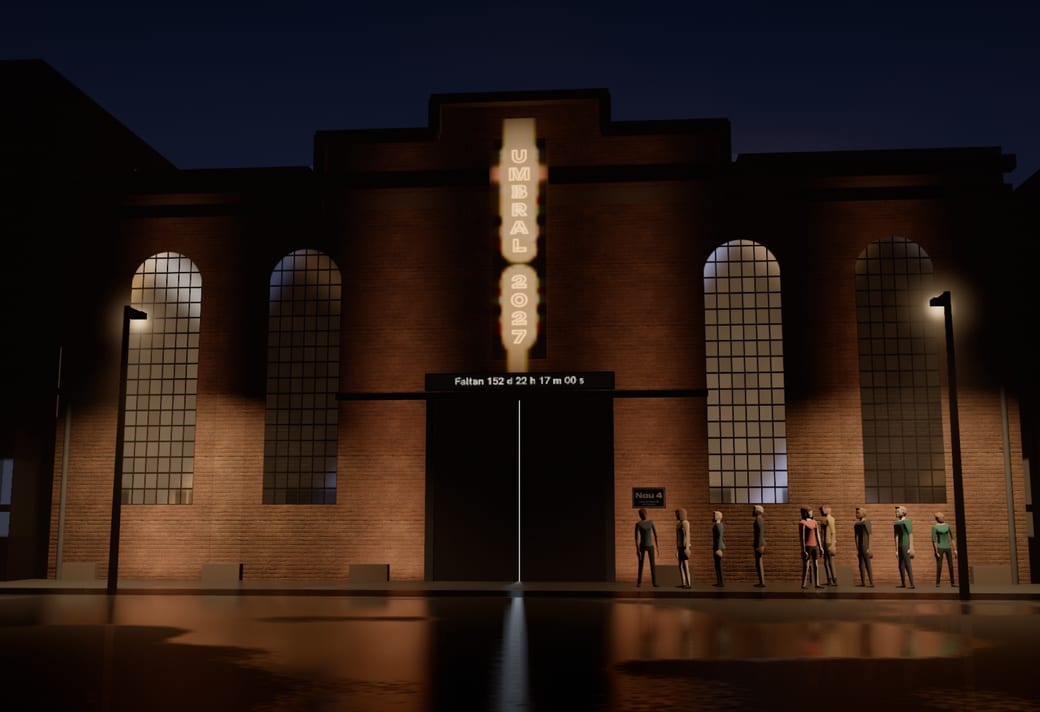 EventA website for an event, its day lived on its own LED wall.