Can you have a 3D website for free? What costs nothing, and what doesn’t
Yes: every piece of a 3D website has a free version. three.js draws 3D in the browser and is free under the MIT licence, Blender makes the models for free, and a folder of files can be published at no cost on Cloudflare Pages. What isn’t free is the time to put them together — and, if you want one, your own domain.
Updated
Below: the free tools for each part of the job and what each one asks of you, where “free” stops (watermarks, hosting limits, the domain), and the two ways of making a 3D site that cost nothing but hours. At the end, what you can see of a Promti kit without paying.
The free tools, part by part
The 3D in the page: three.js, a JavaScript library that every Promti kit is written with. Its MIT licence lets you use it in any site, commercial ones included. Its manual assumes you already write JavaScript and know the DOM, ES modules and a local web server.
The models: Blender, which its foundation lets anyone use for any purpose, for free, and which exports glTF — the format the three.js manual recommends — out of the box.
One product on a page, without writing a scene: Google’s model-viewer, a free web component under the Apache 2.0 licence that shows a glTF or GLB model with one HTML tag, and can open it in augmented reality on compatible phones.
Without code: Spline, a 3D design tool in the browser, has a free plan. Making a 3D website yourself compares these four routes in detail.
Where free ends
The watermark. Spline’s free plan exports to the web with its watermark. Removing it takes its Hobby plan, at $12 a month billed yearly or $15 billed monthly, and downloading the export as code to host it yourself takes Pro ($25 a month billed yearly), according to its pricing page on 16 October 2026.
Hosting. A 3D website made of files — HTML, CSS, JavaScript, models, pictures — can be hosted free. Cloudflare Pages lists unlimited requests and bandwidth on its free plan, with up to 20,000 files and 25 MiB per file, which matters for models and video. GitHub Pages is free with 1 GB per site, but GitHub says it isn’t meant as free hosting for an online business or a shop. Netlify’s free plan runs on monthly credits, and Vercel’s free plan is for personal, non-commercial use. Publish a website for free has the steps.
The domain. A site on a free host lives at an address like your-name.pages.dev. Your own .com or .es is paid every year: buying a domain compares the prices and the renewal traps.
The time. Nothing here charges for hours, but a page that a scroll carries through a lit 3D scene, that runs on a mid-range phone and that Google can read is a project rather than an afternoon. How a 3D website is made lists all the work it takes.
Two free routes that work
A product that turns, in a page you already have. If what you need is for visitors to turn a product round and zoom into it, model-viewer plus a model made in Blender costs nothing: one tag in your existing site. It shows a model; it doesn’t make the page around it move.
A full 3D page in code. three.js, Blender and a free host give you a complete immersive page with no bill at all, if you write the JavaScript yourself. Keep the words in the HTML rather than inside the scene — Google says it doesn’t index what’s drawn in a canvas — and test it on your own phone before publishing. Speed, SEO and 3D explains what to watch.
What you can see of a kit for free
A Promti kit isn’t free: it costs €500, paid once, with no monthly fee. What is free is everything before that. Every kit has a live demo you can open on a computer or a phone without signing up, and on each kit’s page you can type your name and see it in your own 3D site before paying anything.
The demos below are the kits as they are. If you want to know what makes them an immersive website rather than a normal page with an animation, start there.
Product
An immersive website for one product, shot like a film.
Open the live demoForest
An immersive website for a place, told as one day there — with your own photos, in 3D.
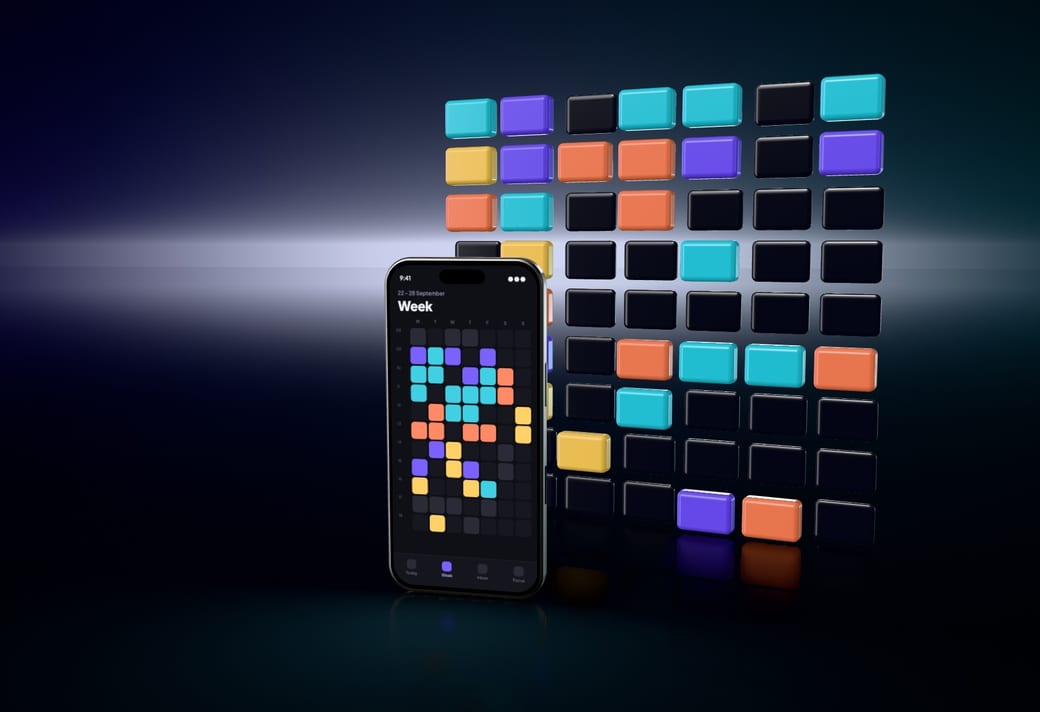
Open the live demoApp
An immersive website for an app, told through its own screens.
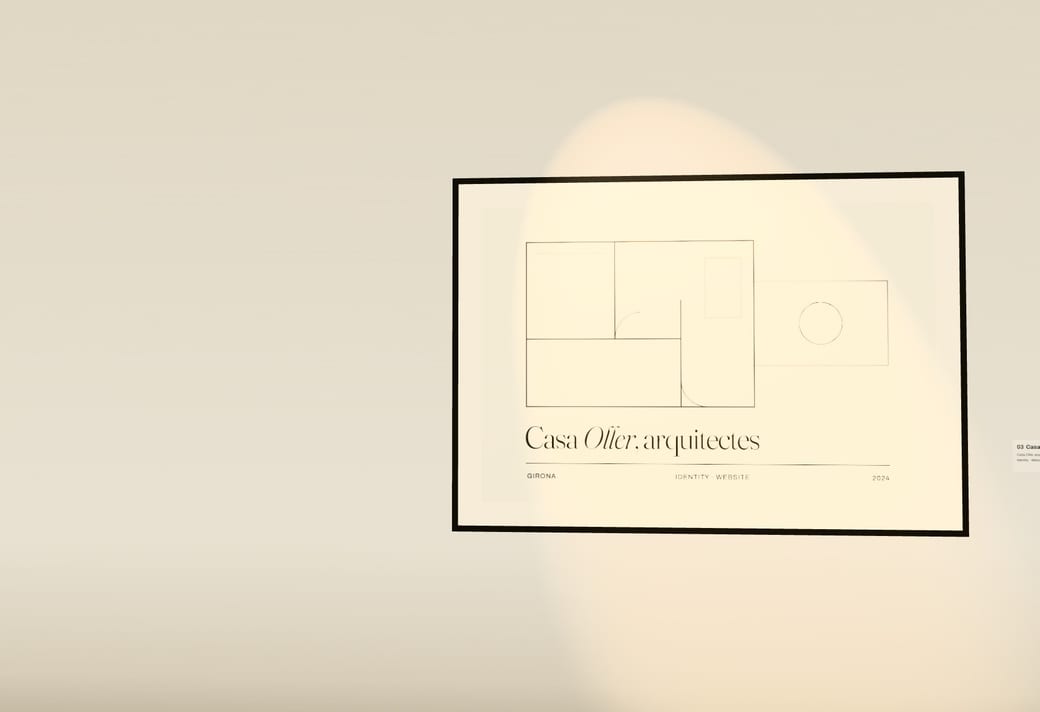
Open the live demoStudio
An immersive website for a studio, shown as an exhibition of its work.
Open the live demoHome
An immersive website for one home for sale, built from its plan.
Open the live demoWedding
Your wedding invitation, as a website every guest opens.
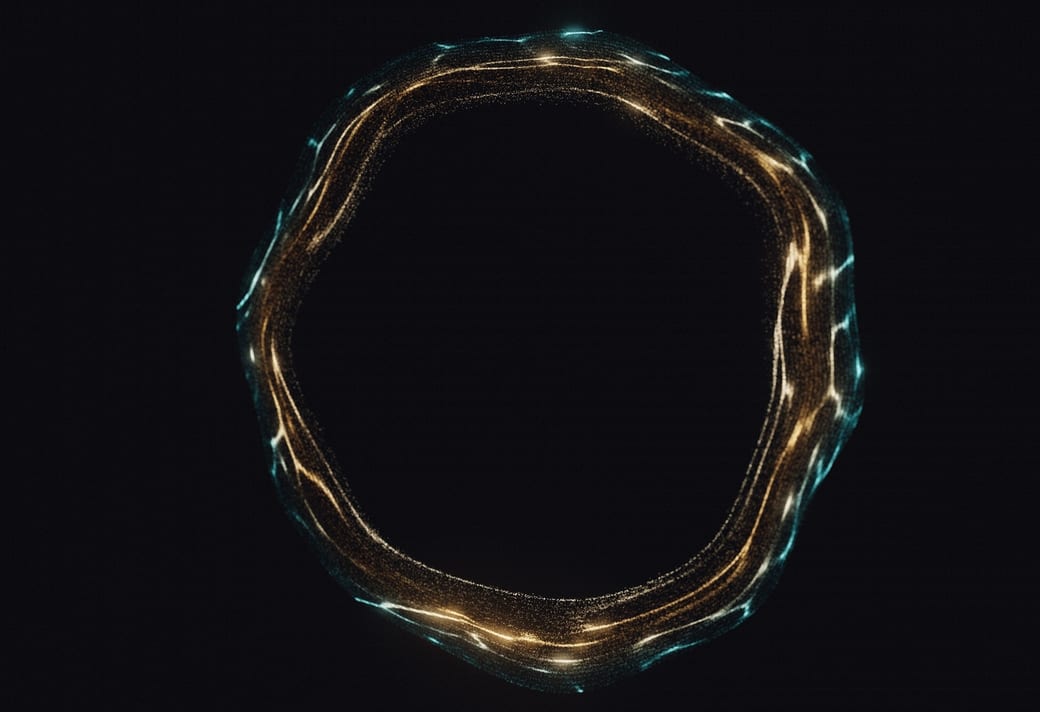
Open the live demoMusic
A website for a release that plays it — and the song moves the scene.
Open the live demoFashion
A website for a fashion collection, its photos printed on cloth that moves.
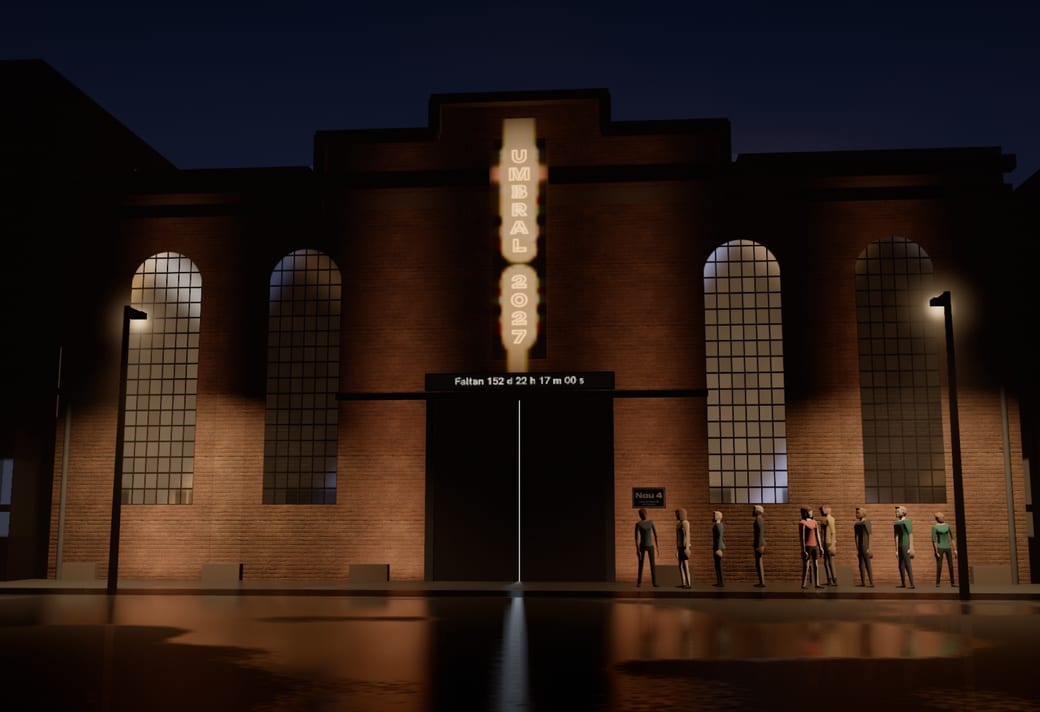
Open the live demoEvent
A website for an event, its day lived on its own LED wall.
Open the live demo





Questions
- Is there a free 3D website builder?
- Spline has a free plan for building 3D scenes without code, but its web exports carry a watermark; removing it takes a paid plan. The fully free route is code: three.js and Blender are free for any use, and a folder of files can be published free on Cloudflare Pages.
- Can I use three.js for a business website for free?
- Yes. three.js is published under the MIT licence, which allows commercial use; keep its licence notice in the code you ship.
- Where can I host a 3D website for free?
- On any service that serves files as they are. Cloudflare Pages lists unlimited bandwidth on its free plan, with 25 MiB per file. GitHub Pages isn’t meant for a business or a shop, Netlify’s free plan has monthly credits, and Vercel’s free plan is for personal use only.
- Does a free 3D website look worse than a paid one?
- The tools are the same: Promti’s kits are written with three.js, which is free. What a budget buys is the hours — the scene, the scroll, the phone version, the words for Google — not better software.
- Can I try a Promti kit without paying?
- You can open every kit’s live demo and, on its page, see your own name in your 3D site before paying. The kit itself costs €500, once, with all the files.